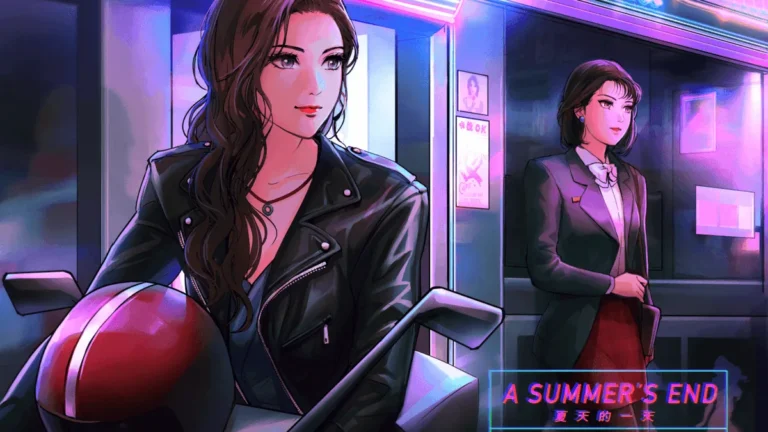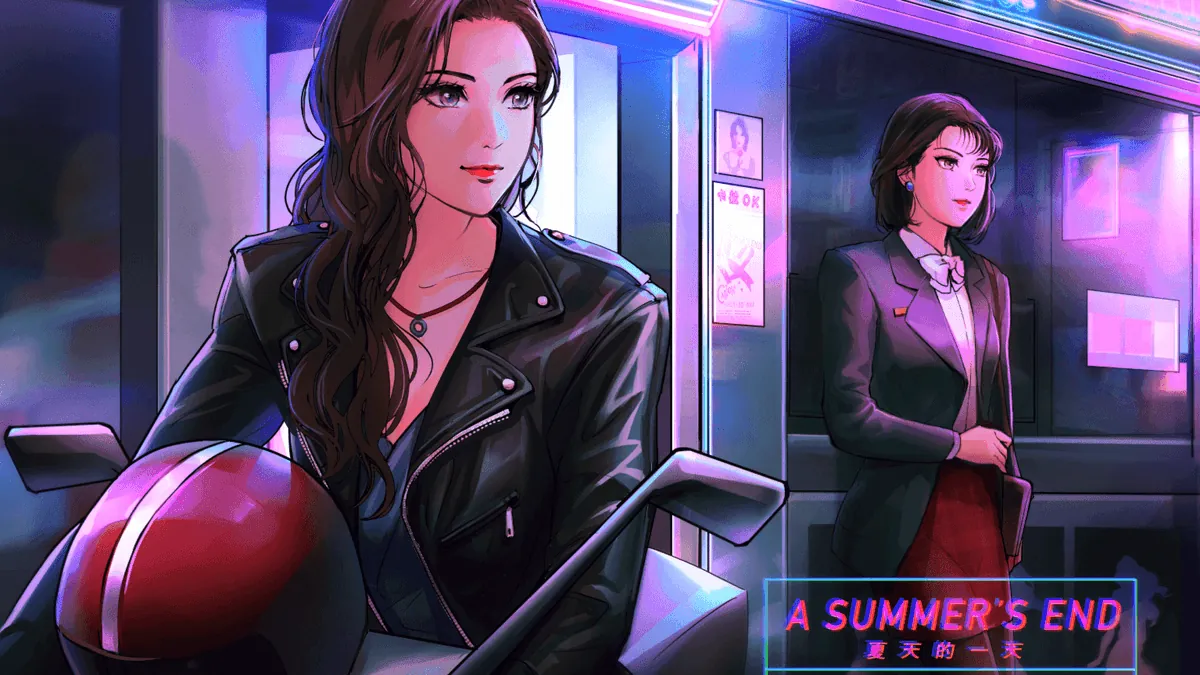
A Summer’s End – Hong Kong, 1986
Play A Summer’s End – Hong Kong, 1986
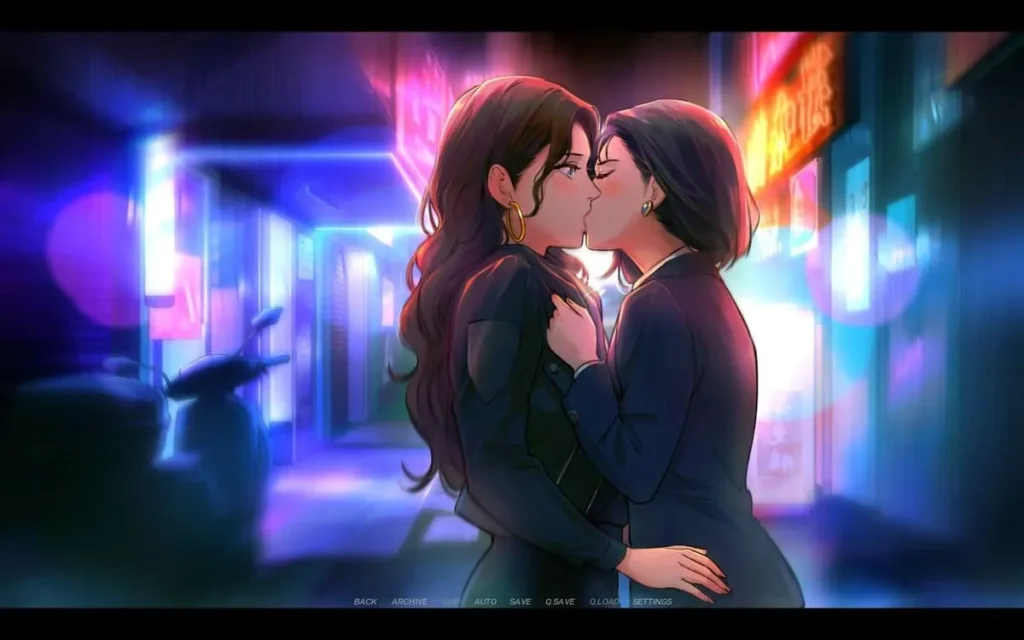
A Summer’s End – Hong Kong, 1986 Screenshots







A Summer’s End – Hong Kong, 1986 review
Explore the romantic story, stunning 1980s aesthetics, and cultural depth of this acclaimed indie game
A Summer’s End – Hong Kong, 1986 is a captivating visual novel that tells the story of Michelle and Sam, two women navigating love and identity in vibrant 1980s Hong Kong. This indie game has garnered attention for its compelling romance narrative, stunning hand-drawn artwork inspired by 80s anime, and authentic Hong Kong settings. Whether you’re interested in the game’s emotional storytelling, its cultural significance, or its beautiful retro aesthetic, this guide explores what makes A Summer’s End a standout title in the visual novel genre. Discover the game’s key features, narrative depth, and why it resonates with players seeking meaningful, character-driven experiences.
Story, Characters, and Narrative Depth
Let’s be honest: when you first hear “1980s Hong Kong visual novel,” your mind might jump to neon-drenched action or gritty crime dramas. 😅 What A Summer’s End – Hong Kong, 1986 delivers is something far more intimate, delicate, and profoundly human. At its heart, the A Summer’s End Hong Kong 1986 story is a beautifully crafted tapestry of love, self-discovery, and cultural tension. It’s a visual novel romance narrative that chooses the quiet moments of connection over loud declarations, making every glance and unspoken word resonate with meaning. This chapter dives deep into the narrative soul of the game, exploring the fragile bond between its two leads, the family and society that surrounds them, and the poignant choices that define their journey.
The Romance Between Michelle and Sam
The core of this experience is, without question, the evolving Michelle and Sam relationship. You step into the shoes of Michelle, a young office worker whose life is a meticulously ordered routine of filial duty, work, and subdued expectations. She’s the “good daughter,” navigating a conservative family structure and a mundane job. Then, one rain-soaked evening, Sam enters the frame. 💖
Sam is her opposite in many ways: self-assured, artistically inclined, and openly living a life that defies the traditional path expected of women in 1986 Hong Kong. Their initial meeting is charged with a palpable, awkward tension that the game masterfully conveys. This isn’t a love-at-first-sight fairy tale; it’s a slow, hesitant dance of attraction between two people who are acutely aware of what their connection means in their specific time and place.
What makes their romance so compelling is how it’s built. The game uses a visual novel romance narrative style that prioritizes subtlety. Conversations are laced with double meanings and pauses that speak volumes. A shared cigarette on a balcony, a hesitant touch, a thoughtful gift—these are the building blocks. The writing captures the exhilarating yet terrifying process of opening up to someone, especially when you’re discovering parts of yourself you’ve long suppressed.
I remember my first playthrough, carefully choosing every dialogue option, terrified of saying the “wrong” thing and breaking the spell. That anxiety isn’t a bug; it’s a feature. It mirrors Michelle’s own internal turmoil.
The relationship’s development is also deeply tied to the city itself. Their dates—to a late-night diner, a video arcade, a quiet temple—are not just backdrops. They’re love letters to a Hong Kong caught between its colonial past and an uncertain future, a perfect mirror for Michelle herself, caught between her family’s past and her own uncertain future with Sam. This grounding in a specific cultural identity elevates their love story from a personal tale to a historically resonant one.
It’s also worth mentioning the optional adult content patch. For those who choose to include it, these scenes are far from gratuitous. They serve as a powerful emotional payoff, representing the ultimate vulnerability and trust between Michelle and Sam. They feel earned, a natural culmination of the emotional intimacy the game has been building, and they significantly deepen the player’s investment in the Michelle and Sam relationship.
Supporting Characters and Relationship Dynamics
No love story exists in a vacuum, and the narrative depth of A Summer’s End is greatly enriched by its supporting cast. They aren’t just plot devices; they are the living, breathing embodiment of the social pressures and expectations that shape Michelle’s world. 👨👩👧👦
The most prominent figure is Joey, Michelle’s co-worker and a hopeless, somewhat clueless suitor. Joey represents the “expected” path: a nice, stable man from a good family. His persistent, awkward advances create constant low-level pressure on Michelle, forcing her (and the player) to repeatedly confront and deflect the life society has preordained for her. He’s not a villain, but his presence is a constant reminder of the conventional script she’s supposed to follow.
Then there’s Michelle’s family, particularly her mother. Their interactions are masterclasses in indirect communication. Love is expressed through concern about career stability and questions about “suitable friends.” Disapproval is never shouted; it’s conveyed through a sigh, a change of subject, or a loaded silence over dinner. This creates an incredible amount of narrative tension. The family conflict themes aren’t about dramatic confrontations (at least, not always), but about the weight of unspoken disappointment and the struggle between unconditional love and conditional acceptance.
Sam’s own network, including her more openly queer friends, provides a contrasting world. It’s a space of relative freedom and self-expression, but one that isn’t without its own risks and complexities. Navigating between these two worlds—her traditional family home and Sam’s more liberated circle—is the central drama of Michelle’s journey.
To help keep track of the key players shaping this story, here’s a quick overview:
| Character | Role | Key Characteristics & Narrative Function |
|---|---|---|
| Michelle | Protagonist, Office Worker | Reserved, dutiful, navigating self-discovery. The player’s avatar into the story’s conflicts between family, society, and personal desire. |
| Sam (Samantha) | Love Interest, Artist/Designer | Confident, independent, openly queer. Represents a path of authenticity and freedom, acting as a catalyst for Michelle’s awakening. |
| Joey | Co-worker, Suitor | Well-meaning but traditional. Embodies the societal pressure to conform to heterosexual norms and a “stable” future. |
| Michelle’s Mother | Family | Loving but traditional. Her indirect communication and expectations create the primary source of familial tension and cultural conflict. |
Themes of Identity, Family, and Cultural Conflict
A Summer’s End truly shines in its thoughtful exploration of weighty themes. It’s a Hong Kong 1986 cultural identity game that uses a personal love story to examine much larger questions. The game is fundamentally about the search for identity—not just sexual identity, but a complete sense of self in relation to your family, your culture, and your history. 🏮
The year 1986 is crucial. Hong Kong is in a period of profound transition, with the Handover to China just over a decade away. There’s a palpable sense of uncertainty about the future, which perfectly parallels Michelle’s personal uncertainty. Can her traditional Chinese family values coexist with her authentic self? Can the Hong Kong of her past house the person she wants to become? The game doesn’t provide easy answers, but it asks these questions with remarkable sensitivity.
Central to this is the game’s groundbreaking approach as an LGBTQ visual novel 1980s. It consciously avoids tragic tropes. The conflict doesn’t stem from external violence or mustache-twirling bigots, but from the far more relatable and painful source of familial disapproval and internalized fear. The “villain” is often silence, expectation, and the anxiety of disappointing those you love. This makes the story’s emotional impact more nuanced and, for many, more personally resonant.
“The game understands that the biggest battles are often fought at the dinner table, not in the streets. It trades sensationalism for the heartbreaking authenticity of a mother’s silent disappointment, which can feel like a thousand words.”
This quote gets to the heart of it. The visual novel family conflict themes are handled with a realism that anyone from a collectivist culture will recognize. The game validates that this quiet, persistent tension is a legitimate and profound struggle.
All of these themes converge in the game’s brilliant use of A Summer’s End endings choices. There are two primary endings, and they are a direct result of the dialogue and action choices you make throughout the story. These aren’t simple “good” or “bad” endings. They are different philosophical outcomes based on courage, communication, and compromise.
- One ending may see Michelle choosing the path of least resistance, preserving family harmony at a great personal cost. It’s a poignant and realistic conclusion about sacrifice.
- The other ending requires Michelle to find her voice, to risk conflict for the chance at authenticity and a life with Sam. It’s hopeful but hard-won.
Your choices in key moments—do you open up to your mother? Do you stand up for yourself at work? Do you fully commit to Sam?—directly shape which reality comes to pass. This makes the A Summer’s End endings choices incredibly powerful. You’re not just watching a story; you’re navigating the very real trade-offs between personal happiness and familial duty, between safety and truth.
In the end, the A Summer’s End Hong Kong 1986 story leaves you with more than just a conclusion about a couple. It leaves you with a deeper understanding of the silent spaces between words, the weight of history on personal decisions, and the courageous, complicated work of building a life that is truly your own. It’s a narrative experience that stays with you, a gentle reminder that love and identity are journeys, not destinations. ✨
A Summer’s End – Hong Kong, 1986 stands out as a thoughtfully crafted visual novel that combines compelling storytelling with stunning visual design. The game’s authentic portrayal of 1980s Hong Kong, coupled with its nuanced exploration of identity, love, and cultural conflict, creates a meaningful experience that resonates with players seeking more than surface-level entertainment. From its hand-drawn artwork and vaporwave soundtrack to its choice-based narrative and character-driven plot, every element works together to create an immersive world. Whether you’re drawn to the romantic storyline between Michelle and Sam, the retro aesthetic, or the game’s cultural depth, A Summer’s End offers something special for visual novel enthusiasts. If you’re interested in indie games that prioritize authentic storytelling and artistic vision, this title deserves a place on your list.