
Play Come Home
Come Home Screenshots




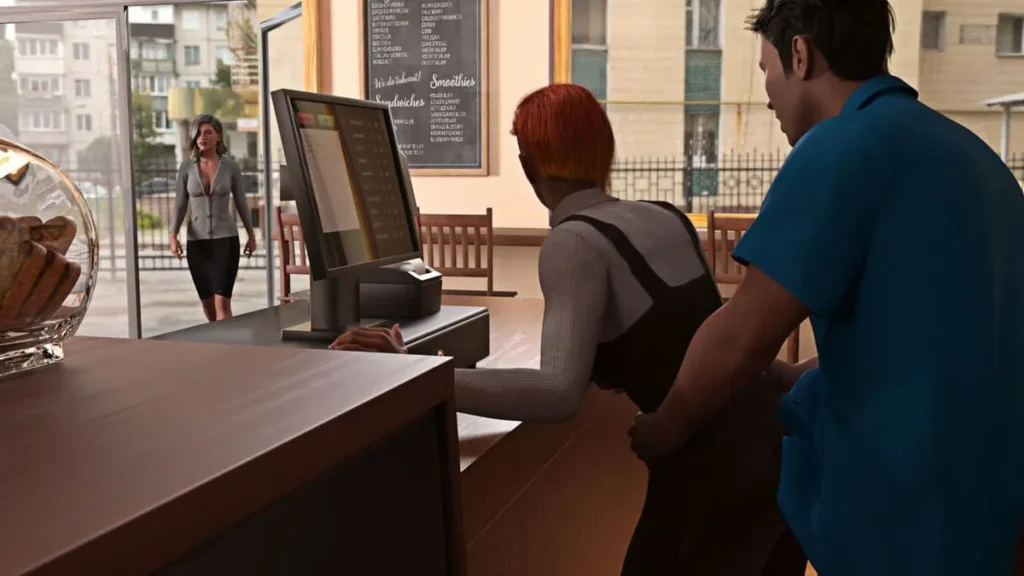
























Come Home review
Master character relationships, unlock scenes, and maximize your gameplay experience
Come Home is a free-to-play indie game that offers players an engaging experience centered around building relationships and unlocking exclusive content. Whether you’re new to the game or looking to optimize your playthrough, understanding the core mechanics of affection systems, character interactions, and scene progression is essential. This comprehensive guide covers everything you need to know about advancing through Come Home, from initial character meetings to unlocking premium content. Learn how to efficiently gain affection points, trigger specific scenes, and make the most of your gaming experience with our detailed walkthrough and strategic tips.
Understanding Come Home Gameplay Mechanics & Character Systems
So, you’ve just started playing Come Home and you’re a little lost in your own house? 😅 Don’t worry, we’ve all been there. You’re wandering around, trying to talk to everyone, and suddenly it’s nightfall and you feel like you’ve made zero progress with anyone. I remember my first playthrough—I spent three in-game days just trying to figure out how to get Adrian to stop giving me the side-eye! The secret, I quickly learned, isn’t just about clicking on people. It’s about mastering the game’s intricate heart.
The core of your Come Home experience revolves around two intertwined systems: the delicate dance of character interactions and the steady pulse of the affection system gameplay. Think of affection as your universal currency for progress. Want to see a new, intimate scene with Mari? You’ll need affection. Hoping to uncover Mrs. Mills’ mysterious past? That’s affection, too. Every meaningful step forward is gated by the bonds you build. This chapter is your roadmap. We’ll break down exactly how these Come Home game mechanics work, how to nurture every character relationship in Come Home, and how to efficiently unlock the story you want to see. Let’s get you from confused newcomer to master of the house.
How the Affection System Works in Come Home
At its heart, Come Home is a game about connection. The affection system gameplay is the engine that drives every narrative forward. It’s not just a number that goes up; it’s a direct reflection of the time and attention you invest in the people around you. Unlike some games where you can spam gifts, here, presence is everything. 🫀
So, how do you gain affection in Come Home? Primarily through shared time and specific, character-friendly activities. Each day is a precious resource. You can choose to hang out with Adrian in the living room, help Tammy with her projects in the garage, or share a quiet drink with Mrs. Mills. Every positive interaction chips away at their walls and fills that heart meter a little more. It’s a slow, satisfying burn that makes each unlocked moment feel earned.
Each character has a visible affection meter, usually represented by hearts or a numerical value (often out of 10 for specific milestones). Your goal is to fill these meters. The key insight? Quality often trumps quantity. Spending time with a character when they’re in the right mood or in their preferred location yields better results. For instance, trying to have a deep chat with Mari when she’s stressed about work might not be as effective as waiting for a quieter moment. This layer of simulation is what makes the affection system gameplay feel so genuine and engaging.
Here’s a pro tip from someone who’s restarted one too many times: Don’t try to max out everyone at once. On your first playthrough, pick two, maybe three characters to focus on. The game’s daily time limit means you have to make choices. I made the mistake of trying to be everyone’s best friend in one go and ended up with a bunch of half-full heart meters and a very confused save file. Focused effort is your best strategy for mastering these Come Home game mechanics.
Character Interaction Methods and Scene Unlocking
This is where your Come Home walkthrough knowledge becomes power. Every resident of the house (and a few folks outside it) has their own unique rhythm, preferred hangouts, and ways they like to connect. Understanding this is the difference between a smooth journey and hitting constant dead ends. Let’s meet the cast and their methods.
Your core housemates include the brooding Adrian, the enigmatic homeowner Mrs. Mills, the inventive Tammy, and the ambitious Mari. Outside the home, you’ll cross paths with others like the barista at Java Lava or fellow gym-goers. Interaction isn’t just about dialogue trees. It’s about:
* Location-Based Hangouts: Finding characters in their “comfort zones.” Adrian is often in common areas, Tammy in the garage, Mrs. Mills in her study or kitchen.
* Activity Sharing: Playing video games, working out, helping with a task, or simply choosing to “spend time” together.
* Digital Communication: Using your in-game phone to call or message characters can sometimes initiate meetings or small affection boosts.
* Event Triggers: Being in the right place at the right time for scripted moments that advance relationships.
Now, for the most satisfying part: scene unlocking. This is the direct reward for your dedication. Scenes—which can range from heartfelt conversations and playful moments to more intimate encounters—unlock at specific affection thresholds. While it can vary slightly, a common progression looks like this:
* 1 Heart (Affection ~2/10): Unlocks basic friendly scenes and more open dialogue.
* 2 Hearts (Affection ~4/10): Deeper conversations and personal story beats begin.
* 3 Hearts (Affection ~6/10): Significant relationship milestones and more unique interactions.
* 5 Hearts (Affection ~10/10): Often unlocks a character’s primary romantic or deeply personal concluding scenes.
Think of each heart level as a door. You need the right key (affection points) to open it and see what’s inside. This structure provides a clear goal for your Come Home walkthrough efforts. You’re not just aimlessly chatting; you’re working toward those memorable story moments.
To plan your journey, use this table as your master guide for character relationships in Come Home. It outlines the core paths and what you’re working toward.
| Character | Primary Interaction Locations | Key Affection Gain Methods | Key Scene Unlock Thresholds |
|---|---|---|---|
| Adrian | Living Room, His Bedroom, Kitchen | Watching TV together, late-night talks, being a supportive presence | 2 Hearts: Opens up about past. 5 Hearts: Major bonding scene. |
| Mrs. Mills | Study, Kitchen, Garden | Sharing tea/wine, helping with household tasks, respectful conversation | 3 Hearts: Reveals personal history. 5 Hearts: Significant private moment. |
| Tammy | Garage, Backyard, Her Bedroom | Helping with her inventions, playing games, encouraging her ideas | 2 Hearts: Workshop collaboration. 5 Hearts: Emotional breakthrough scene. |
| Mari | Her Bedroom, Home Office, Java Lava Café | Discussing her work, offering comfort during stress, coffee dates | 3 Hearts: Vulnerable work-life talk. 5 Hearts: Romantic conclusion. |
To get you started on the right foot, here’s a step-by-step progression checklist. Follow this in your first few days to establish strong foundations:
🎯 Your First 3 Days: A Foundational Checklist
1. Day 1 Exploration: Introduce yourself to everyone in the house. Don’t worry about deep talks—just say hello.
2. Identify Your Interest: By the end of Day 1, pick the 2 characters whose stories intrigue you the most.
3. Day 2 Focus: Seek out your two chosen characters for a “Spend Time” interaction in their preferred location. Note their schedule.
4. Unlock First Scenes: Aim to get your first character to 1 Heart by the end of Day 2 or start of Day 3. This will unlock new dialogue options.
5. Day 3 Routine: Start building a daily routine: morning with one character, afternoon/evening with another. Check your phone for messages!
6. Early Investment: If you see a character looking down or in a unique spot, prioritize them. These are often opportunities for bigger affection gains.
This focused start is the most efficient scene unlocking guide for new players, ensuring you don’t waste those crucial early days.
Premium Edition vs Free Version: What’s the Difference
One of the best things about Come Home is that the core experience—the entire house, all main characters, and the fundamental affection system gameplay—is completely free. You can have a full, satisfying journey without spending a dime. So, what’s the deal with the Premium Edition? It’s best thought of as a “supporters pack” that enhances an experience you already love. Let’s break down the premium edition features.
The main attraction of the Premium Edition is additional content. This typically includes extra scenes, often more intimate or detailed versions of key moments, that are woven into the existing affection progression. Think of it as bonus chapters in a book you’re already enjoying. For example, where the free version might fade to black, the Premium Edition might extend the scene. It doesn’t change the Come Home game mechanics, but it adds more story to the framework you’re already navigating.
Another significant premium edition feature is early access to updates. When the developer releases new characters, locations, or story arcs, Premium Edition owners usually get to play them first. This is great for veterans who are hungry for more after exploring every corner of the base game. It’s a way to stay on the cutting edge of the Come Home world.
Ultimately, the choice is personal. My advice? Play the free version first. Dive into the character relationships in Come Home, follow your own Come Home walkthrough, and see how the affection system gameplay resonates with you. If you find yourself utterly absorbed, wanting to see every possible detail and support the game’s ongoing development, then the Premium Edition becomes a fantastic value. It’s not a gate to the good stuff; it’s the cherry on top of an already delicious sundae. 🍒
Mastering Come Home is about embracing its pace. It’s a game of small moments that build into something profound. By understanding that affection is your compass, that each character has a unique map to follow, and that scenes are the treasures you discover along the way, you transform from a passive occupant into an active architect of your own story. Use the guides and tables here not as rigid instructions, but as a foundation. Experiment, follow your curiosity, and most importantly, take your time. The house, and its people, aren’t going anywhere. Your journey to truly Come Home starts with the first conversation. Now go out there and fill some hearts
Come Home offers a rich gameplay experience centered on relationship building and character progression. By understanding the affection system, learning each character’s unique interaction methods, and following a strategic progression path, you can unlock all available scenes and content. Whether you’re playing the free version or investing in the Premium Edition, the key to success lies in consistent engagement with characters, exploring different interaction methods, and understanding how affection thresholds unlock new experiences. Take your time to explore each character’s storyline, experiment with different activities, and enjoy the depth that Come Home provides. Start your journey today and discover what makes this indie game a compelling experience for players seeking meaningful character-driven gameplay.