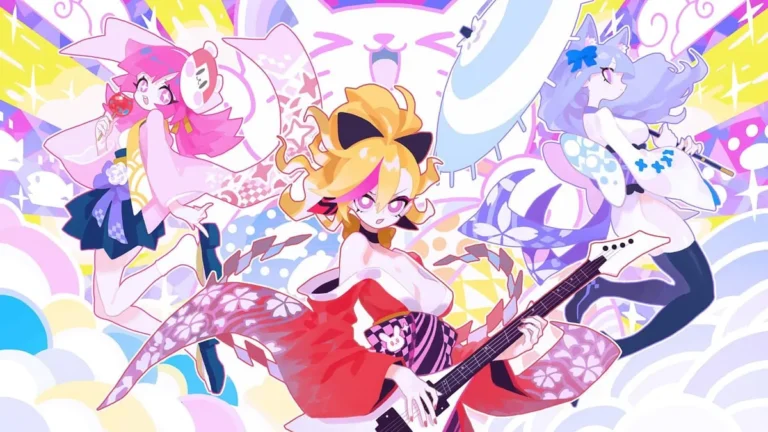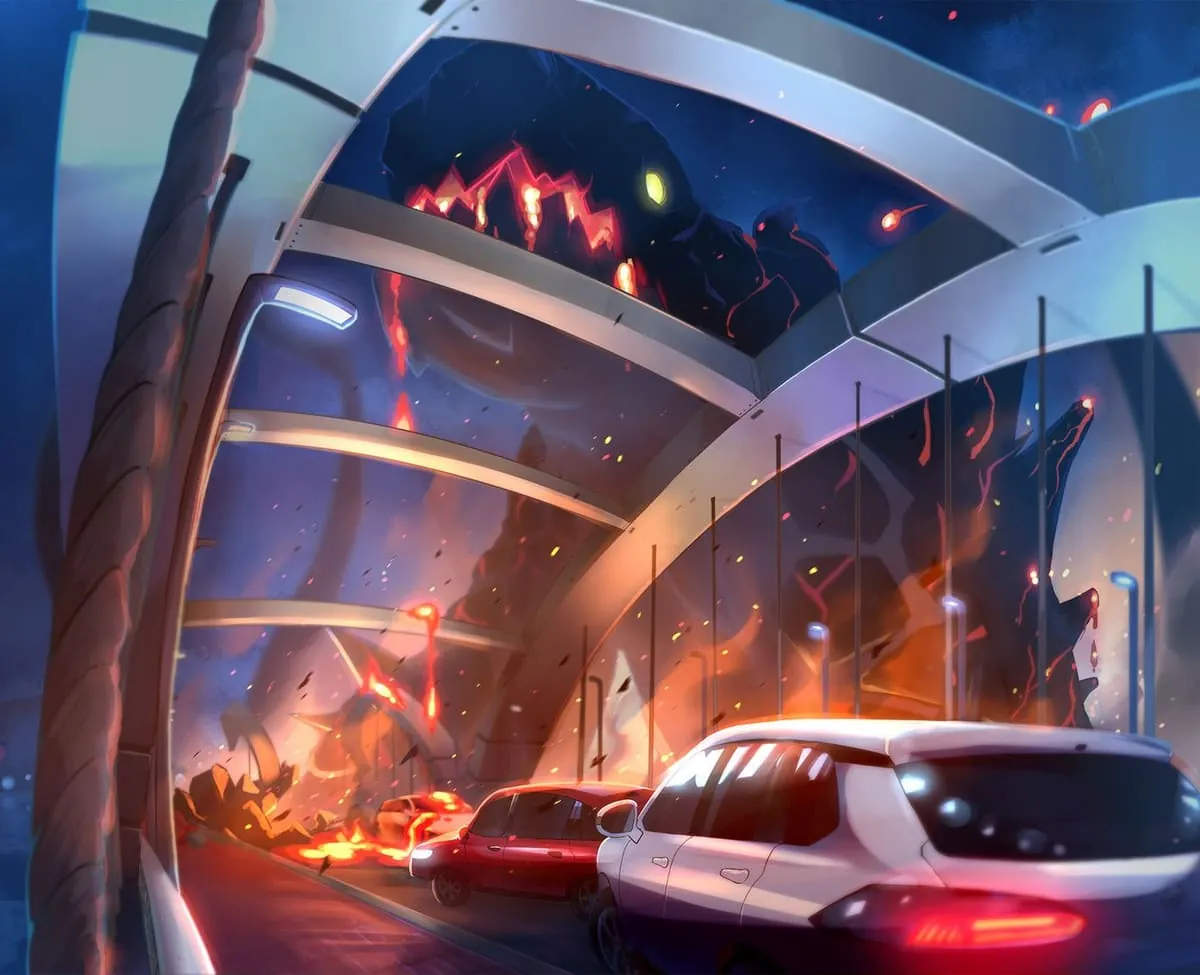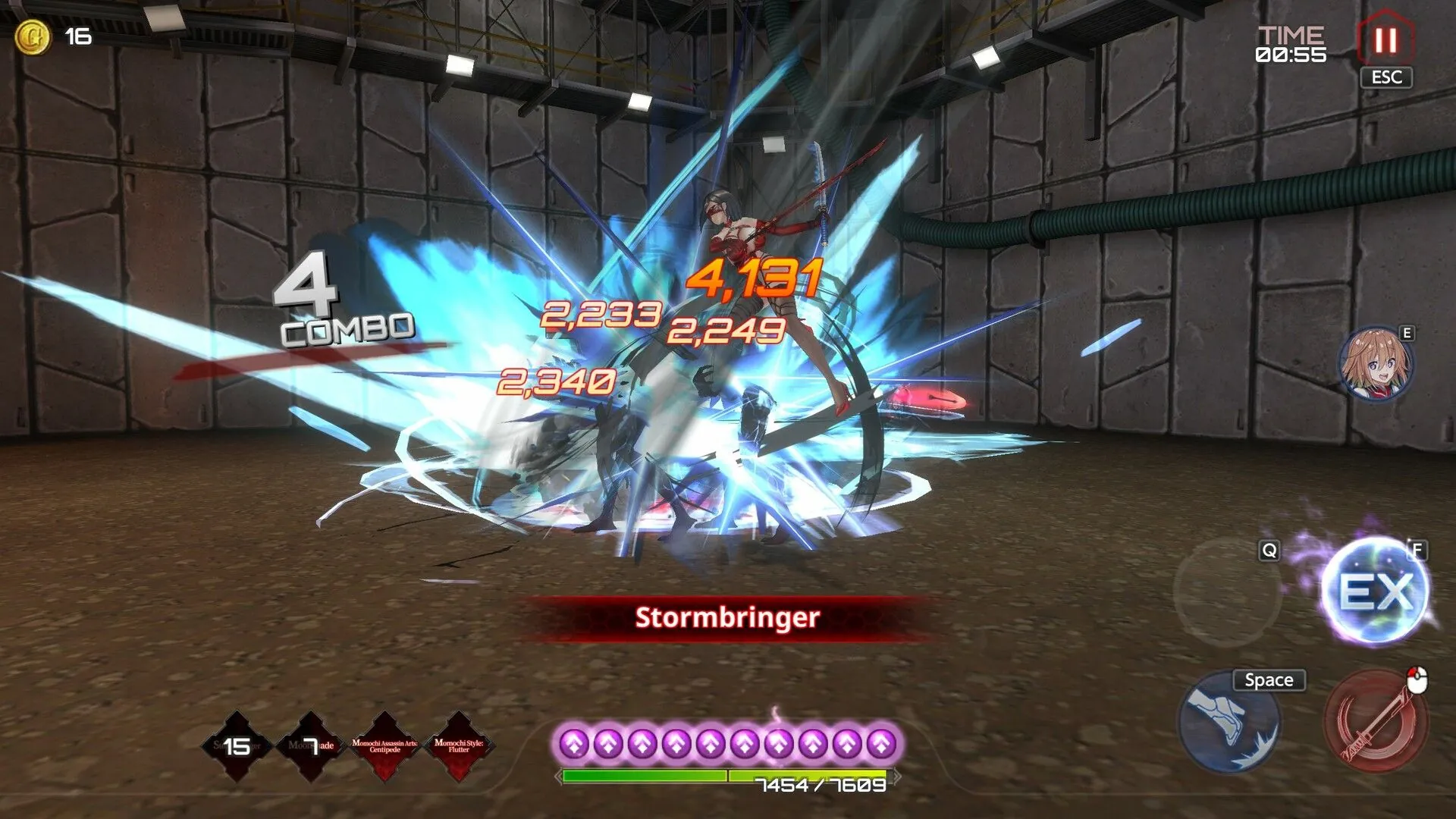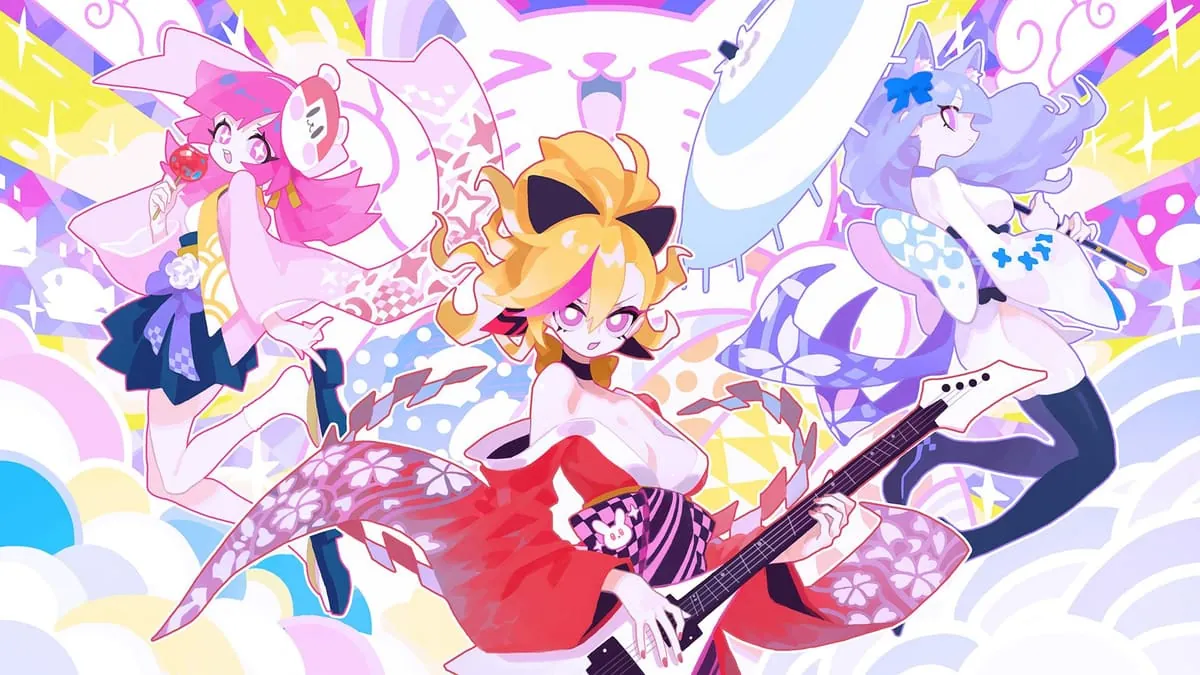
Muse Dash Screenshots
Muse Dash review
Explore the dynamic gameplay, characters, and music of Muse Dash
Muse Dash is a vibrant rhythm-action game that blends music with fast-paced side-scrolling gameplay. Players control colorful characters who dash through levels, attacking enemies and dodging obstacles in sync with catchy tunes. This article dives into the core gameplay mechanics, character abilities, and music variety that make Muse Dash a unique experience for rhythm game enthusiasts.
Understanding Muse Dash Gameplay Mechanics
Let’s cut right to the chase. If you’ve ever tapped your foot to a song or drummed your fingers on a desk, you already have the basic instinct needed for Muse Dash gameplay. At its heart, this is a rhythm game that turns you into a musical ninja, sprinting through vibrant, chaotic levels where every jump and attack is a note in the song’s score. The genius—and the sheer joy—of learning how to play Muse Dash lies in its deceptive simplicity.
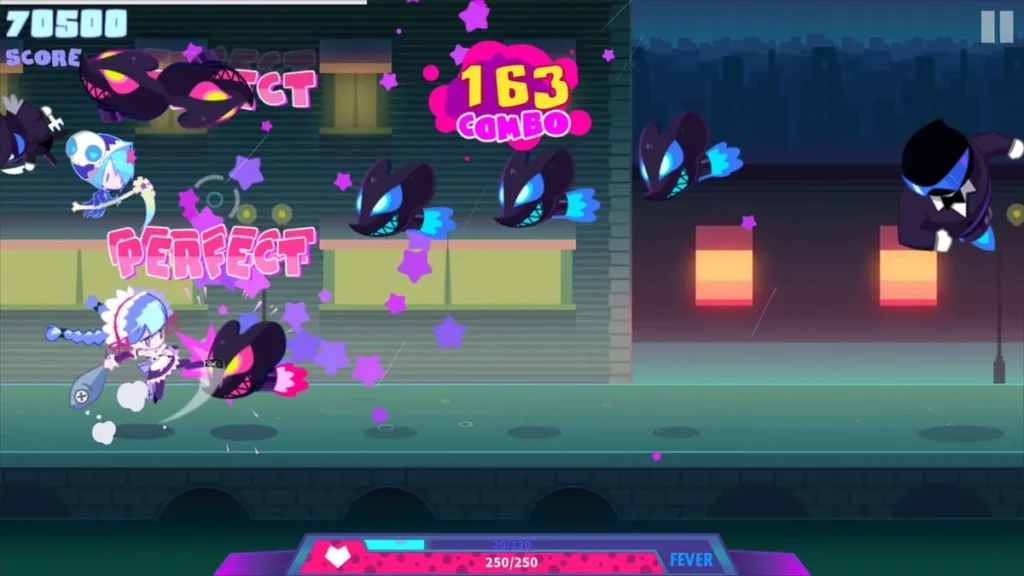
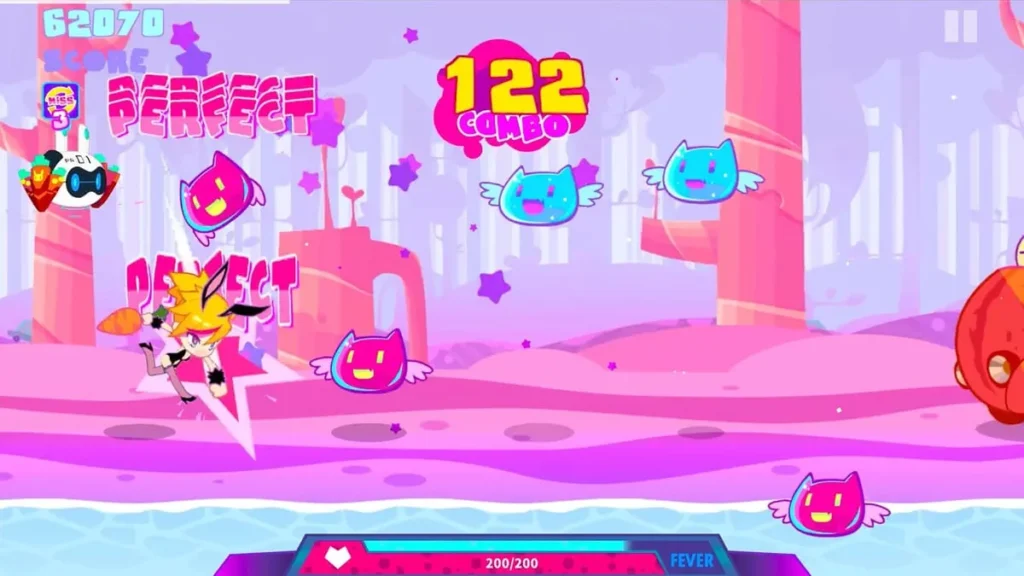
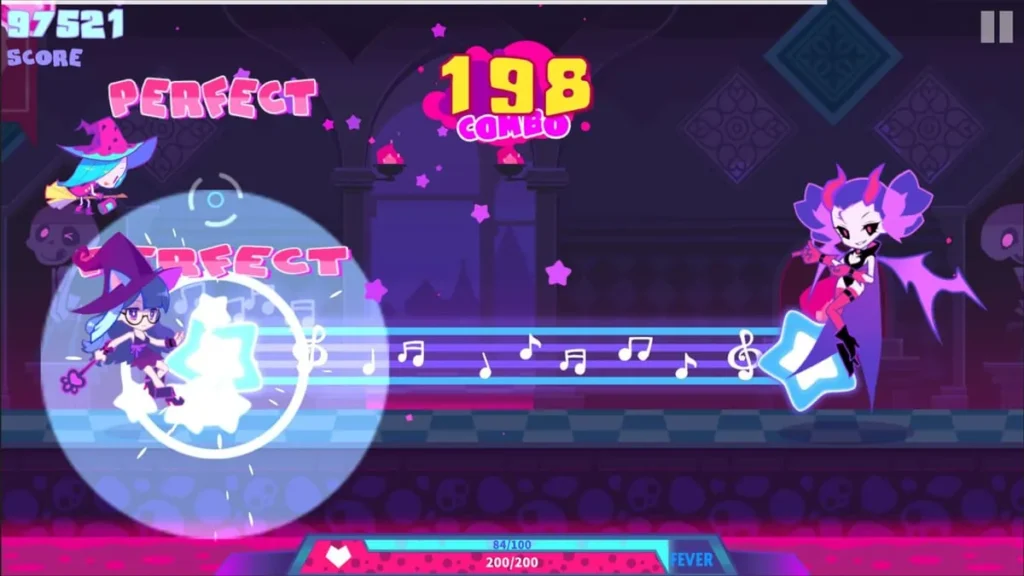
The core Muse Dash controls are brilliantly straightforward. You primarily use just two buttons: one for ground enemies and one for airborne enemies. Your character auto-runs, and you must strike enemies on the beat while dodging obstacles. It sounds simple, but when the music speeds up and the screen fills with neon adversaries, that simplicity becomes an intense test of rhythm and reflex. It’s a beautiful chaos where you’re not just listening to the music—you’re physically creating it through your actions. 🎵
How Does Muse Dash Play?
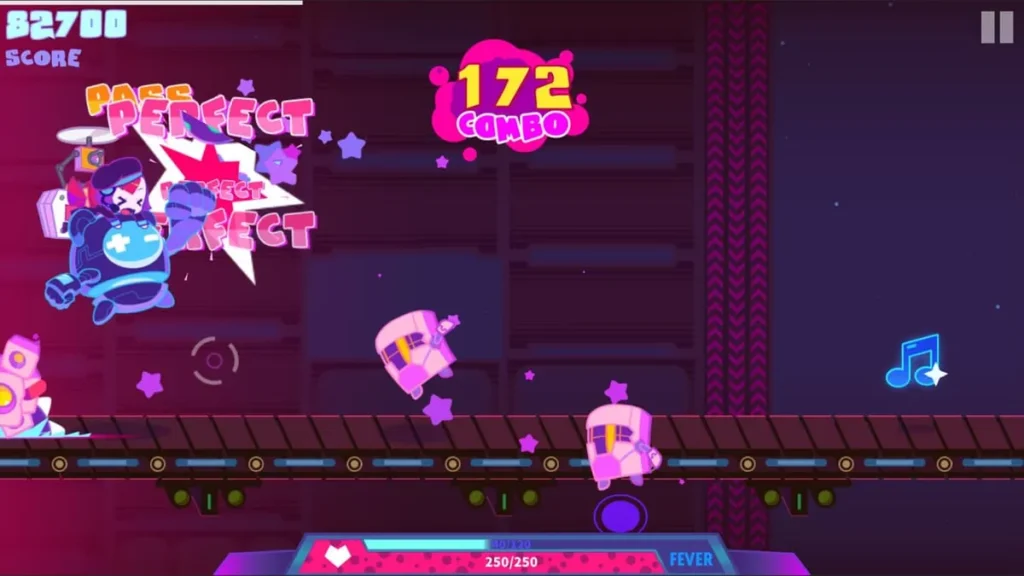
Imagine yourself on a colorful track, your character dashing forward automatically. From the left, a grinning robot slides along the ground. Above, a spiky bat-like creature swoops down. This is the core loop. You press your ground-attack button to hit the robot and your air-attack button to strike the bat, all in time with the pounding electronic or cute J-pop track. Miss, and you lose health; hit them perfectly on the beat, and you’re rewarded with a higher score and satisfying visual feedback.
But it’s not just about hitting enemies. You’ll also need to jump over pits and slide under low ceilings. Sometimes, you’ll encounter “ghost” notes that require you to hold the button, or sequences where you must mash rapidly. The true secret to mastering the Muse Dash gameplay is learning to read the “lanes.” Your brain starts to separate the ground lane from the air lane, turning the visual flood into a manageable pattern. My personal “aha!” moment came when I stopped staring at my character and started looking ahead on the track, anticipating the next measure of beats like a musician reading sheet music.
Then there’s the game-changer: Muse Dash Fever Mode. As you hit notes successfully, you fill a meter. Once full, you activate Fever Mode, which dramatically boosts your score multiplier. During this time, you often enter a special section of the track with a torrent of notes to collect rather than enemies to hit. It’s a thrilling reward phase that tests your precision under pressure and is absolutely crucial for chasing those coveted S-ranks. Activating Fever at the right moment—like during a song’s climactic drop—is one of the most satisfying feelings in gaming. 🚀
Difficulty Levels and Progression
One of Muse Dash’s greatest strengths is how it welcomes players of all skill levels while offering a brutal challenge for veterans. The Muse Dash difficulty levels are your roadmap from casual fan to rhythm deity. You’ll typically start on Easy, get your bearings on Hard, and eventually test your limits on Master.
| Difficulty Level | Note Density | Key Challenge | Best For… |
|---|---|---|---|
| Easy 🍃 | Low | Learning the basic lane structure and timing. | New players, enjoying the music without extreme pressure. |
| Hard ⚡ | Medium to High | Managing faster sequences and more complex patterns. | Players comfortable with the basics seeking a fun, active challenge. |
| Master 👑 | Very High | Precision, speed, and parsing incredibly dense note charts. | Rhythm game experts aiming for perfect scores and leaderboard dominance. |
Progression is beautifully organic. As you clear songs on higher Muse Dash difficulty levels, you unlock new tracks and in-game achievements. The game constantly encourages you to step up. I remember stubbornly playing a favorite song on Hard until I could reliably clear it, and the first time I survived the Master version felt like a genuine accomplishment. Each difficulty redesigns the note chart, not just making it faster, but often re-orchestrating it to highlight different musical elements, so replay value is immense.
Character Abilities and Their Impact
This is where strategy layers onto the rhythm action. Your choice of character and “Elfin” (a little companion) isn’t just cosmetic; it fundamentally changes your approach to scoring and survival. Understanding Muse Dash characters abilities is key to optimizing your playstyle, whether you want to secure a high score or just survive a tough track.
For instance, let’s take a popular starting character, Rin. Her ability is straightforward: she starts with an extra heart, giving you a larger margin for error. This is perfect when you’re learning a new, tricky Master-level song. But if you’re going for a top score, you might switch to a character like Marija, whose ability increases your score multiplier for consecutive perfect hits. This pushes you to play flawlessly and changes your mental focus from “don’t die” to “hit every note perfectly.”
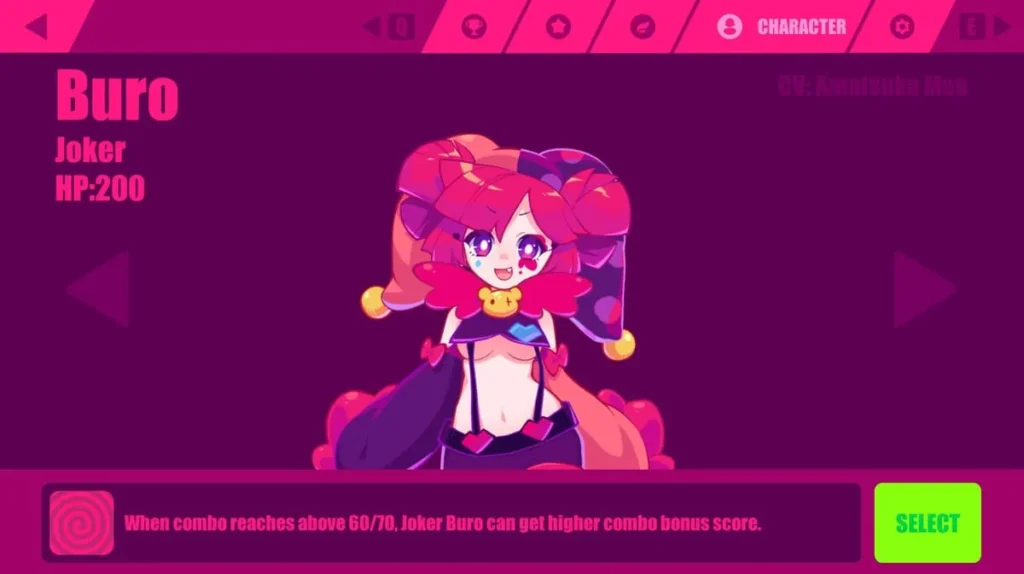
Here’s a practical example of a character’s ability in action: Buro is a character who auto-collects all the “Fever” items on the track. Normally, you have to jump or attack to grab these to fill your Fever meter. With Buro, you can focus entirely on the enemy and obstacle patterns without worrying about collection. This is a huge tactical advantage on stages with brutal, fast-paced obstacles, allowing you to concentrate your button presses purely on survival while still activating Muse Dash Fever Mode regularly.
The Muse Dash enemies and obstacles you face also influence which character you might choose. Against stages filled with tricky ground-based hurdles, a character with a wider attack range might help. In levels with a barrage of airborne foes, you might pick an Elfin that gives you a score boost for hitting air notes. Experimenting with these combinations is a big part of the fun and adds a wonderful “deck-building” layer to the Muse Dash gameplay.
Ultimately, the magic of Muse Dash is how it synthesizes these elements. The Muse Dash controls are your instrument. The Muse Dash difficulty levels are your sheet music, from beginner études to virtuoso concertos. Your chosen Muse Dash characters abilities are your personal playing style. And the vibrant Muse Dash enemies and obstacles are the notes you must play in time with the beat. Master this synergy, and you’re not just playing a game—you’re performing. 🎭
Muse Dash offers a compelling blend of rhythm and action with its simple yet challenging gameplay mechanics. The variety of characters, each with unique abilities, combined with a rich soundtrack, keeps players engaged and motivated to progress through increasingly difficult levels. Whether you’re a casual player or a rhythm game enthusiast, Muse Dash provides an enjoyable and dynamic experience. Dive in, master the beats, and discover your favorite characters and songs.