Take Over
Play Take Over
Take Over Screenshots
Take Over review
Story, choices, and adult mechanics in Take Over explored from a player’s perspective
Take Over is an adult-oriented game that mixes story-driven visual novel elements with light management and strategy mechanics. Players are drawn to it for its corruption-focused narrative, branching choices, and evolving relationships with a varied cast. In this guide, I’ll walk through how Take Over plays, what makes its story and systems engaging, and share some personal impressions and tips from my own playthroughs. If you are curious about how the game feels moment to moment, how progression works, and what kind of experience you can realistically expect, this breakdown will give you a clear, spoiler-aware tour.
How Take Over Works: Story, Setting, and Core Gameplay Loop
So you’ve heard the buzz about Take Over, the game where you weave a web of influence in a modern city, but you’re still wondering: how does Take Over work, exactly? 🤔 Is it a pure visual novel, a strategy sim, or something else entirely? From a player’s perspective, it’s a fascinating hybrid. At its heart, the Take Over game is a narrative-driven experience that mixes the branching stories of an adult visual novel game with the deliberate planning of a light strategy title. It’s a slow-burn, cerebral power fantasy where your most potent weapon is a well-placed word or a calculated favor.
Think less about explosive action and more about patient, strategic corruption. You’re not storming buildings; you’re carefully dismantling personalities and institutions from the inside. It’s a game about subtlety, consequence, and the immense satisfaction of watching your plans come to fruition over weeks of in-game time. If you love getting lost in a rich story where your choices genuinely matter, you’re in for a treat.
### What is the main premise of Take Over?
Let’s set the stage. 🏙️ Take Over drops you into a sleek, contemporary city that looks normal on the surface. But beneath the glass and steel, a shadowy organization is pulling strings, and you’ve just become their newest agent. Your mission isn’t to destroy the city, but to… well, take it over. This is the core of the Take Over story: a gradual, insidious narrative of control.
You play as a character inserted into this urban landscape, tasked with infiltrating every pillar of society. We’re talking major corporations, influential media outlets, political circles, and high-society cliques. The brilliance of the premise is that nearly every character of note—from a skeptical CEO to a diligent journalist—is a potential asset. They can be influenced, persuaded, or subtly reshaped through your decisions and interactions. No one is just set dressing; everyone is a piece on your chessboard.
This makes the narrative deeply personal and branching. The Take Over gameplay is driven by dialogue choices that carry real weight. A supportive conversation over coffee might lay the groundwork for trust, while a veiled threat during a business meeting could start a chain of coercion. The story escalates organically based on where you focus your efforts. Will you turn a rival business into a puppet first, or will you concentrate on corrupting a particular family? The branching paths mean your version of the city’s downfall will be uniquely yours.
The tone perfectly matches this premise. It’s a mature, corruption themed game that explores themes of power, morality, and persuasion. It’s not about blatant evil, but rather the seductive, incremental slide into control. You’re not a monster; you’re a tactician, and the game makes you feel every step of that journey.
### How does the day-to-day gameplay in Take Over feel?
Alright, so the premise is cool, but what do you actually do? ⏰ The core loop of the Take Over game is a brilliant exercise in time and resource management, wrapped in a narrative shell. Your most precious commodities are the hours in your day and the days on your calendar.
The game is divided into days and weeks. Each day, you have a set amount of time (often represented by action points) to spend. You decide where to go, who to see, and what to do. The map is your playground, filled with locations like corporate offices, luxury apartments, gyms, bars, and your own base of operations.
Here’s what that loop typically involves:
* Visiting Locations: You go to a place hoping to find a specific character or trigger a story event.
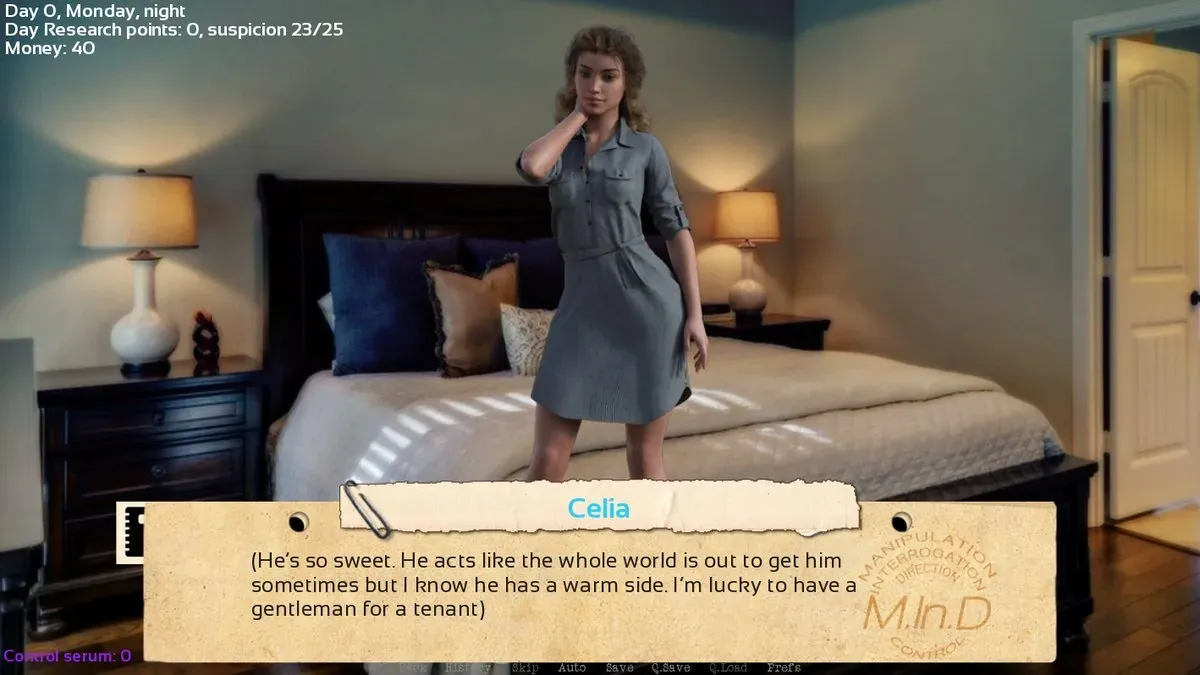
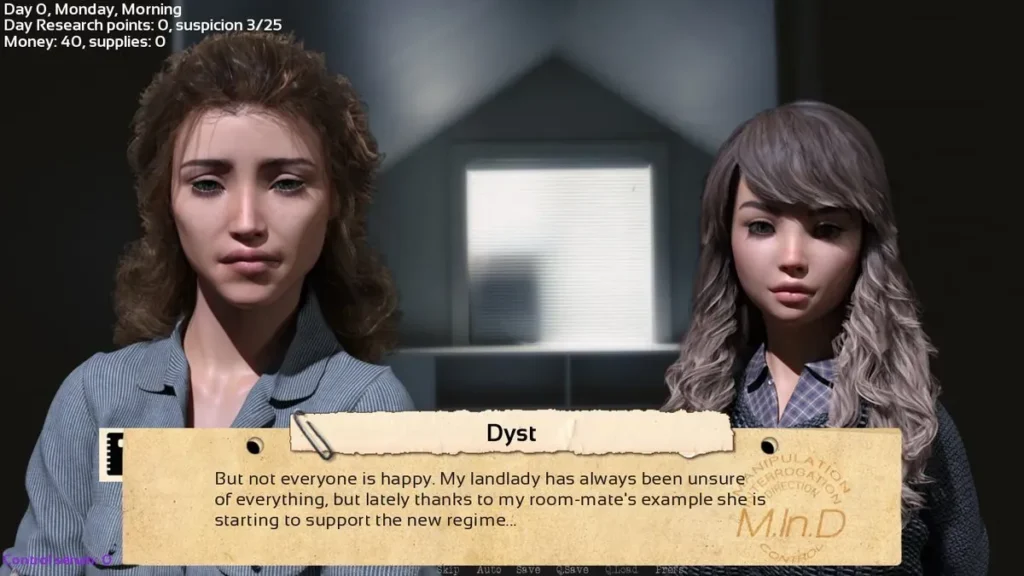
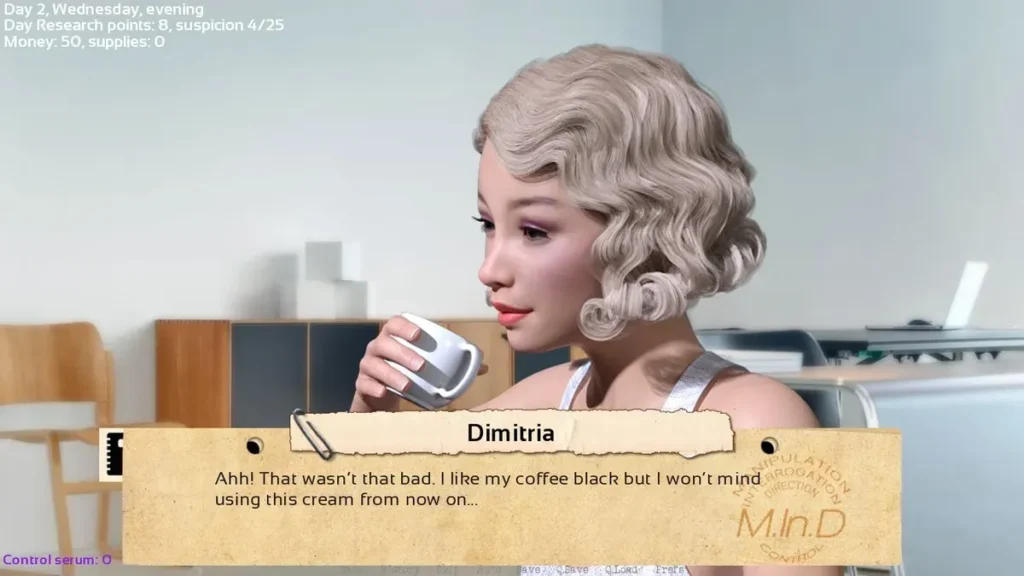
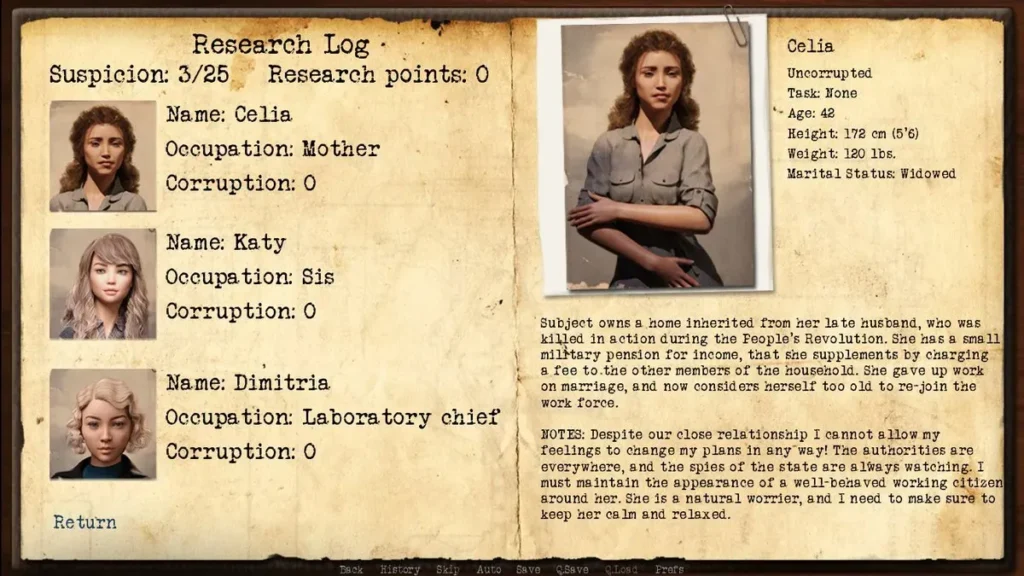
* Triggering Scenes: This is where the adult visual novel game shines. You engage in conversations, make choices, and watch the story unfold through beautiful artwork and writing.
* Improving Stats: Your character has traits like Persuasion, Intelligence, or Charm. Certain actions or mini-games can boost these, making future challenges easier.
* Investing Resources: You’ll earn money and other assets, which you can spend on gifts, bribes, property, or upgrades that unlock new opportunities.
You’re constantly juggling. Do you spend your evening with a key character to advance their personal storyline, or do you hit the side job to earn extra cash for a crucial bribe? Do you improve your own skills today, or scout a new location for information? Some actions are locked behind stat requirements or prior decisions, which creates a natural, satisfying sense of progression and encourages replayability. You might revisit an earlier save not because you failed, but because you want to see what unlocking that “Charisma 6” door earlier would have led to.
To make this crystal clear, let’s look at what a typical in-game day might look like:
| Time of Day | Location | Action & Choice | Primary Goal |
|---|---|---|---|
| Morning | Your Apartment | Review intelligence files, plan the day’s targets. | Strategic Planning |
| Afternoon | Veridian Corp. Offices | Attend a meeting with a manager. Choose to flatter his ego or point out a weakness in his department. | Build Influence on a Business |
| Evening | Uptown Lounge | “Bump into” a socialite. Use your Charm stat to impress her friends, gaining access to her private circle. | Expand Social Network | Night | Home / Gym | Spend remaining energy on a skill-training activity or review the day’s progress in your journal. | Self-Improvement or Reflection |
This cycle of planning, executing, and adapting is the heartbeat of Take Over gameplay. It feels less like playing a traditional game and more like orchestrating a complex, interactive novel where you manage the pacing. The payoff isn’t instant; it’s the culmination of several days of careful work, which makes every success feel earned.
### My personal experience with the early and mid game
Let me tell you about my first run—it was a beautiful mess. 😅 I became utterly fixated on one character’s route, a driven journalist who was deeply suspicious of the city’s underbelly. I loved the challenge of slowly turning her from a potential threat into a willing participant. I spent days just following her storyline, pouring all my resources into choices that would win her over.
And it worked! By the mid-game, she was my strongest ally. But I had a rude awakening. I’d been so single-minded that I’d completely neglected other vital avenues. My funds were low because I ignored money-making ventures. My influence over the city’s business sector was nonexistent. When the story opened up and presented a major opportunity involving a corporate takeover, I was utterly unprepared. I lacked the required Social Standing stat and hadn’t made the right contacts. My progress hit a wall. This is a classic lesson in the Take Over game: balance is everything.
The early game has a sneaky learning curve. It’s easy to feel like you’re wasting days because the impact of your actions isn’t always immediate. You might spend an afternoon at a cafe and seemingly get nothing for it, only to find out three days later that a character you met there becomes crucial. My breakthrough came when I started recognizing patterns. I learned which locations consistently offered stat gains (the library for Intelligence, certain clubs for Charm). I figured out that investing in permanent upgrades for my base, while costly upfront, saved me massive time later.
By my second playthrough, I had a rough routine. Mornings for self-improvement or income, afternoons for main story targets, and evenings for social maneuvering. The sense of mastery was incredibly satisfying. The Take Over gameplay loop transformed from confusing to captivating once I understood its rhythm. I was no longer just reacting to scenes; I was proactively building an engine of influence, and watching it smoothly corrupt the entire city was the ultimate reward. This personal insight is at the core of any genuine Take Over game review—the joy is in the learning and the long-term strategy.
So, if you’re considering diving in, my advice is to embrace the slow pace. Savor the reading, relish the planning, and don’t be afraid to experiment. Your first city won’t be perfect, but figuring out how does Take Over work on your own terms is a huge part of the fun. It’s a deep, engaging corruption themed game that rewards patience and cleverness, offering a uniquely personal story of power with every choice you make.
Take Over is best approached as a slow-burn, story-first experience where your decisions steadily reshape the city and the people in it. The mix of visual novel storytelling, light strategy, and progression systems rewards players who enjoy planning their days, experimenting with different routes, and seeing how small choices snowball into bigger shifts in the narrative. If you like adult-oriented games that emphasize character development, branching paths, and a sense of growing influence over time, Take Over can be a surprisingly absorbing way to spend a few evenings. Give yourself space to explore, accept that your first run will be a bit messy, and enjoy watching the story unfold in your own way.